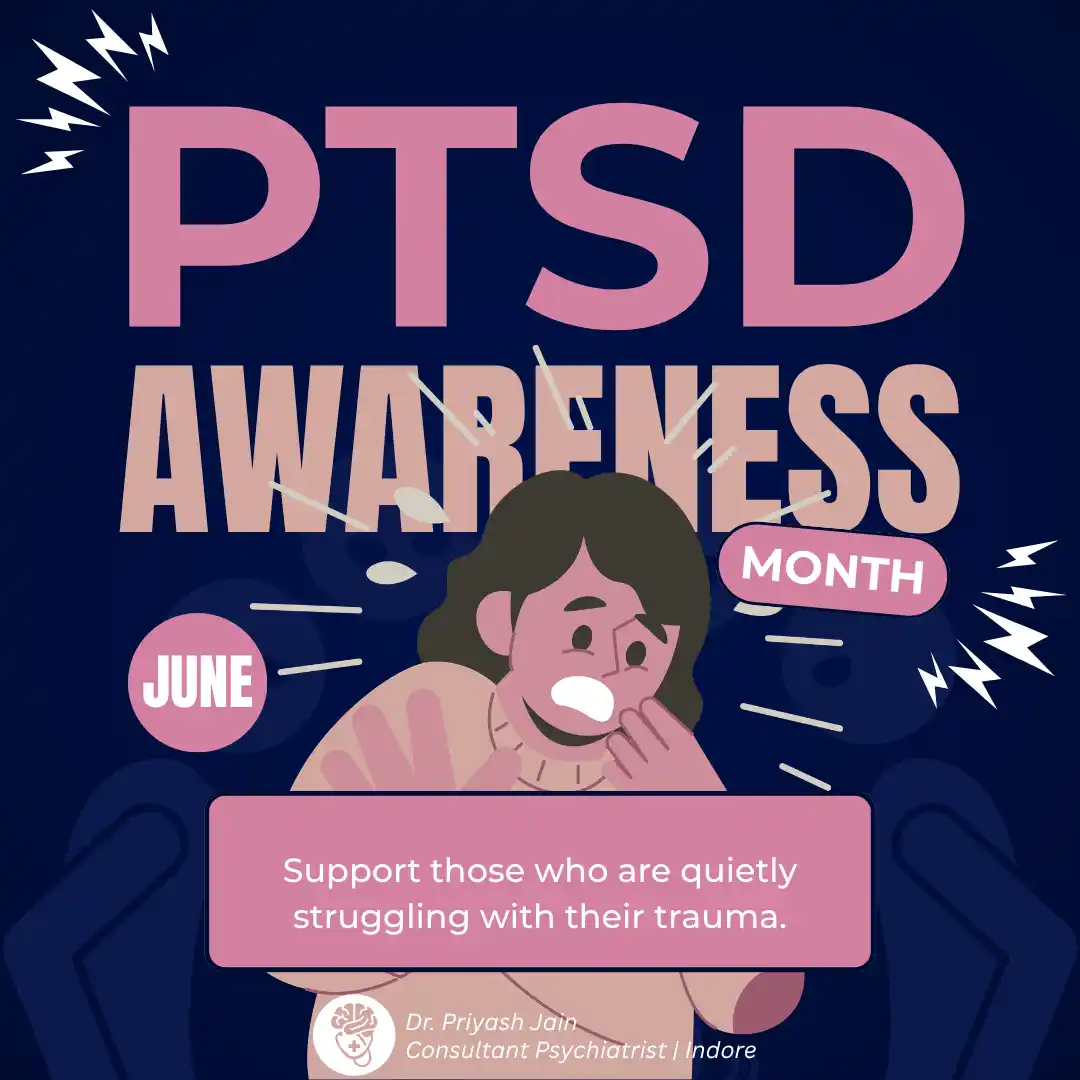
The term "PTSD" has become increasingly common in everyday conversation. People sometimes jokingly claim they have "PTSD" from a difficult examination, an embarrassing social interaction, or a disappointing experience. While these comments are often made lightheartedly, they can unintentionally minimize a serious mental health condition that affects millions of people worldwide.
Post-Traumatic Stress Disorder (PTSD) is not simply feeling upset after a stressful event. It is a psychiatric disorder that can develop after exposure to a traumatic experience and can profoundly affect a person's emotions, thoughts, relationships, and daily functioning.
Understanding PTSD can help us recognize its symptoms, reduce stigma, and encourage those affected to seek help.
What Is Trauma?
One of the most common misconceptions about PTSD is that any unpleasant experience can cause it.
Clinical Definition: In clinical practice, PTSD is associated with exposure to events involving actual or threatened death, serious injury, or sexual violence. Such experiences overwhelm an individual's sense of safety and can leave lasting psychological effects.
Examples of traumatic events include:
- Serious road traffic accidents
- Physical or sexual assault
- Natural disasters
- War or combat exposure
- Terrorist attacks
- Witnessing severe injury or death
- Life-threatening medical emergencies
Stressful experiences such as examinations, relationship conflicts, workplace difficulties, or financial challenges can certainly affect mental health. However, they do not typically meet the criteria for trauma associated with PTSD. The distinction is important: PTSD is a disorder that develops specifically after exposure to severe, life-threatening traumatic events.
PTSD Is More Than Remembering a Bad Experience
Many people imagine PTSD as repeatedly thinking about a traumatic event. In reality, the disorder affects several aspects of emotional and psychological functioning. Individuals with PTSD often experience symptoms from four major areas.
Flashbacks and Intrusive Memories
Traumatic memories in PTSD do not behave like ordinary memories. Instead, they may intrude unexpectedly into a person's awareness.
These experiences may include:
- Distressing memories that feel involuntary
- Vivid mental images and sensory details
- Emotional reactions that feel overwhelming
- Flashbacks in which the individual feels as though the event is happening again
Certain sounds, smells, places, anniversaries, or situations may trigger these reactions. For the person experiencing them, these are not merely recollections. They can feel frighteningly real and immediate. This re-experiencing of trauma is central to PTSD and distinguishes it from normal memory processing.
Avoidance of Trauma Reminders
Because trauma-related memories are distressing, many individuals begin avoiding reminders of the event. They may avoid:
- Specific locations
- Particular people
- Conversations about the trauma
- News reports or media coverage
- Activities associated with the event
For example, someone involved in a serious road traffic accident may avoid driving altogether. A survivor of an assault may avoid places that resemble where the event occurred. Although avoidance may provide temporary relief, it often prevents emotional processing and contributes to the persistence of symptoms.
Hypervigilance: Living as Though Danger Is Still Present
Key Feature: One of the hallmark features of PTSD is hypervigilance. Even when objectively safe, the person's brain continues to behave as though a threat may be present, reflecting altered threat-detection processing in the amygdala and prefrontal cortex.
This can lead to:
- Being easily startled by loud noises or unexpected movements
- Constantly scanning the environment for danger
- Feeling tense and on edge even in safe situations
- Irritability and anger (often reactive)
- Difficulty concentrating on tasks
- Sleep disturbances and difficulty relaxing
Many individuals describe feeling unable to relax because part of their mind is always watching for danger. It is as if the brain's alarm system remains switched on long after the traumatic event has ended.
Emotional Numbing and Detachment
Not everyone with PTSD appears anxious or visibly distressed. Some individuals experience emotional numbing instead.
They may report:
- Feeling emotionally disconnected or "empty"
- Difficulty experiencing happiness or affection
- Loss of interest in previously enjoyable activities
- Feeling detached from family and friends
- A sense of isolation despite being around people
Loved ones may mistakenly interpret this as indifference or lack of concern, when in reality it is a symptom of trauma. This emotional numbing is a protective mechanism that can paradoxically isolate individuals from meaningful relationships and recovery.
Nightmares and Sleep Disturbances
Sleep is frequently affected in PTSD. Many individuals experience:
- Recurrent nightmares related to the trauma
- Difficulty falling asleep due to anxiety
- Frequent awakenings during the night
- Fear of sleeping because of distressing dreams
Poor sleep can further worsen anxiety, concentration difficulties, mood problems, and overall quality of life. Sleep disturbance in PTSD is not simply insomnia; it often reflects the brain's heightened threat detection even during rest.
Can PTSD Be Treated?
Yes. PTSD is a treatable condition, and many individuals experience substantial improvement with appropriate care.
Evidence-based treatments include:
- Trauma-Focused Cognitive Behavioral Therapy (CBT): Helps patients process traumatic memories and reduce avoidance behaviors
- Eye Movement Desensitization and Reprocessing (EMDR): A structured psychotherapy involving bilateral stimulation during trauma processing
- Medication: Selective serotonin reuptake inhibitors (SSRIs) or other psychotropic medications when clinically indicated
Seeking professional help early can reduce suffering and improve recovery. Most individuals receiving appropriate treatment show significant improvement in symptoms and quality of life.
Why We Should Use the Term PTSD Carefully
Mental health awareness has improved significantly over the years, and that is something to celebrate. However, as psychiatric terms become more widely known, they are sometimes used casually in ways that dilute their meaning.
A difficult examination may be stressful. An embarrassing moment may be uncomfortable. A disappointing experience may be frustrating.
PTSD is something different. It involves exposure to severe trauma followed by persistent symptoms such as flashbacks, avoidance, hypervigilance, emotional numbing, and nightmares that interfere with daily life for weeks, months, or years.
Using the term accurately helps preserve awareness of a genuine psychiatric disorder and demonstrates respect for those living with the lasting consequences of trauma.
When Should You Seek Professional Help?
If you or someone you know experiences any of the following after a traumatic event, professional evaluation is recommended:
- Distressing memories or flashbacks that persist beyond a few weeks
- Recurrent nightmares related to the trauma
- Avoidance of reminders or places that trigger memories
- Persistent anxiety, hypervigilance, or feeling on edge
- Emotional numbness or difficulty connecting with others
- Difficulty functioning at work, school, or home
- Thoughts of self-harm or hopelessness
Individuals in Indore experiencing symptoms of PTSD or other trauma-related difficulties should consider consulting a qualified psychiatrist. Early intervention can significantly improve outcomes and help individuals regain a sense of safety, control, and emotional well-being.
Frequently Asked Questions About PTSD
Can PTSD develop after a road traffic accident?
Yes. Serious road traffic accidents are among the common causes of PTSD, particularly when an individual feared for their life or witnessed severe injury or death. Even if physical injuries are minimal, the psychological impact can be significant.
Is PTSD the same as stress?
No. Stress is a normal response to challenges and difficulties. PTSD is a psychiatric disorder that develops after exposure to severe trauma and involves persistent symptoms such as flashbacks, avoidance, hypervigilance, and nightmares. Stress typically resolves when the stressor is removed; PTSD persists even when the person is safe.
Can PTSD be treated successfully?
Yes. Many people experience significant improvement with evidence-based treatments such as trauma-focused psychotherapy (CBT, EMDR) and, when necessary, medication. Recovery is possible with appropriate professional support.
How long do PTSD symptoms last?
Symptoms can persist for months or years if left untreated. The DSM-5 specifies that symptoms must be present for at least one month to meet PTSD diagnostic criteria. However, early assessment and evidence-based treatment often improve recovery significantly.
When should I consult a psychiatrist for PTSD?
If symptoms continue for more than one month after trauma exposure, cause significant distress, or interfere with daily functioning, professional evaluation is recommended. Earlier intervention, even within the first month, can be beneficial if symptoms are severe.
Where can I seek help for PTSD in Indore?
Individuals experiencing symptoms of PTSD can consult a psychiatrist in Indore for assessment and treatment. Early diagnosis and evidence-based treatment can significantly improve recovery and quality of life. Confidential, professional support is available.
Found this article helpful? Share it!
Need Expert Psychiatric Help?
Dr. Priyash Jain is here to help. Book a consultation today and take the first step towards better mental health.