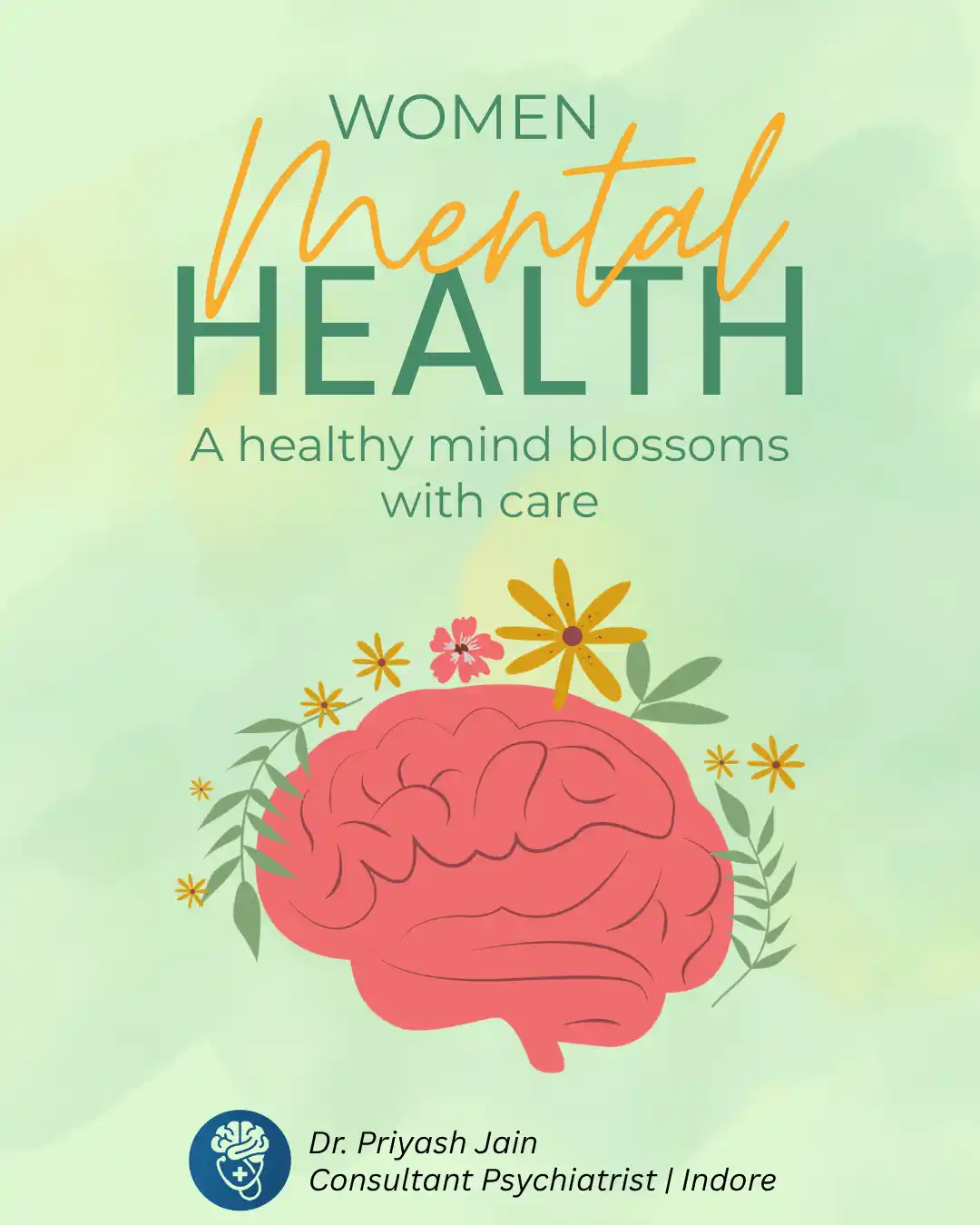
Menopause is a natural stage of life, but the transition to menopause can bring changes that extend beyond periods and physical symptoms. Mood changes, anxiety, sleep difficulties, irritability, and problems with concentration or memory can also occur during perimenopause and menopause.
Understanding these changes can help women recognise when they may benefit from support rather than simply being told to "put up with it."
How can menopause affect mental health?
Perimenopause is the period leading up to menopause and can last for several years. Fluctuating hormones, along with symptoms such as hot flushes and disturbed sleep, can affect emotional wellbeing. Life circumstances during midlife, including work, caregiving responsibilities, relationships, and other sources of stress, can also contribute.
Some women notice:
Irritability and mood swings
Increased irritability or mood swings.
Anxiety
Anxiety, excessive worry, or feelings of uneasiness.
Low mood
Low mood or loss of interest in usual activities.
Sleep difficulties
Difficulty sleeping or frequent night-time awakenings.
Concentration and memory
Problems with concentration or memory.
Fatigue
Fatigue and reduced emotional resilience.
Key Fact: Women with a previous history of depression may be particularly vulnerable to depression during the perimenopausal period.
Is every mood change during menopause depression?
No. Experiencing occasional irritability, poor sleep, or emotional fluctuations does not necessarily mean that someone has a psychiatric disorder.
However, persistent sadness, loss of interest, excessive anxiety, significant sleep disturbance, hopelessness, or difficulty functioning should not automatically be attributed to menopause. These symptoms may indicate depression or an anxiety disorder and deserve appropriate assessment.
This distinction matters because menopause and mental health conditions can occur together, and treating one does not necessarily address the other.
Can menopause-related mental health problems be treated?
Yes. Treatment depends on the symptoms, their severity, medical history, and individual circumstances. Management may include:
- Lifestyle measures
- Psychological interventions such as cognitive behavioural therapy (CBT)
- Treatment of troublesome menopausal symptoms
- Medication, when clinically appropriate
NICE specifically recommends considering menopause-specific CBT for some sleep problems and depressive symptoms associated with menopause.
Remember: Hormone therapy may be appropriate for some menopausal symptoms, but it is not a universal treatment for depression or anxiety. Decisions about hormonal treatment should be made after an individual medical assessment.
When should you seek help?
If changes in mood, anxiety, sleep, memory, or concentration are persistent or are interfering with relationships, work, or everyday life, consider speaking with a healthcare professional.
Menopause is a biological transition, not a requirement to simply tolerate psychological distress.
Looking for a psychiatrist in Indore?
Dr. Priyash Jain, MBBS (Gold Medallist), MD Psychiatry, provides confidential, evidence-based psychiatric assessment and treatment in Indore for depression, anxiety, sleep problems, and other mental health concerns.
Your symptoms are real, and support is available.
This article is for educational purposes only and is not a substitute for professional medical advice, diagnosis or treatment. If you are concerned about changes in your mood, anxiety, sleep or memory, please consult a qualified healthcare professional. If someone is in immediate danger, contact local emergency services.
Found this article helpful? Share it!
Need Expert Psychiatric Help?
Dr. Priyash Jain is here to help. Book a consultation today and take the first step towards better mental health.