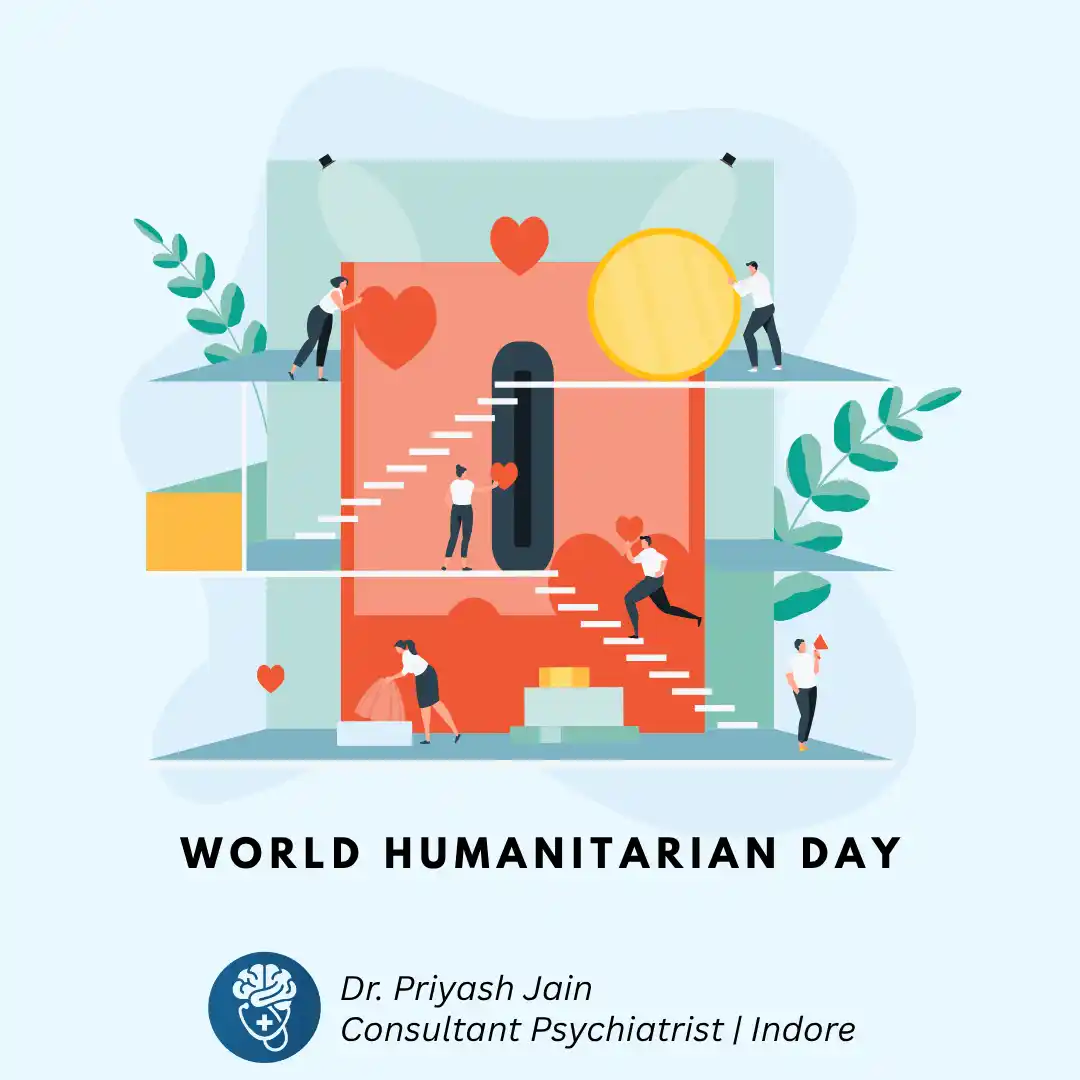
Every year on 19th August, World Humanitarian Day honours individuals who work tirelessly to support people affected by disasters, conflicts, and other crises. Beyond humanitarian workers, this day also reminds us of the emotional challenges faced by healthcare professionals, first responders, social workers, caregivers, and volunteers who dedicate themselves to helping others.
The Emotional Cost of Caring for Others
Providing care in difficult circumstances can be deeply meaningful, but it can also be emotionally demanding. Repeated exposure to trauma, suffering, and loss may lead to burnout, compassion fatigue, or even symptoms of anxiety, depression, and post-traumatic stress disorder (PTSD). These are recognised psychological responses to prolonged stress and do not reflect a lack of resilience or commitment.
Warning Signs to Watch For
- Emotional exhaustion
- Irritability
- Difficulty sleeping
- Feeling detached from work
- Reduced empathy
- A sense of being overwhelmed
Clinical note: Ignoring these symptoms can affect not only personal well-being but also the quality of care provided to others. Supporting mental health among caregivers is not a luxury but an essential part of sustainable healthcare and humanitarian work.
Protecting Your Own Well-Being
Regular breaks, healthy boundaries, adequate sleep, peer support, and seeking professional help when needed are evidence based strategies that protect mental well-being. Just as we encourage patients to seek treatment for physical illnesses, healthcare professionals and caregivers should feel equally comfortable seeking help for emotional distress.
On this World Humanitarian Day, let us recognise that caring for those who care for others is an investment in the well-being of our entire community. Looking after your own mental health is not selfish, it enables you to continue supporting others safely and effectively.
When to Seek Professional Help
If you are experiencing persistent stress, burnout, anxiety, or emotional exhaustion and are looking for mental health support in Indore, consulting a qualified psychiatrist or mental health professional can help you develop effective coping strategies and regain emotional well-being.
Found this article helpful? Share it!
Need Expert Psychiatric Help?
Dr. Priyash Jain is here to help. Book a consultation today and take the first step towards better mental health.